Data analysts need to break free from the IT mindset
Just because data teams inherited some of their practices from IT doesn't mean we have to carry them forever.
At some point, we need to break the cycle.
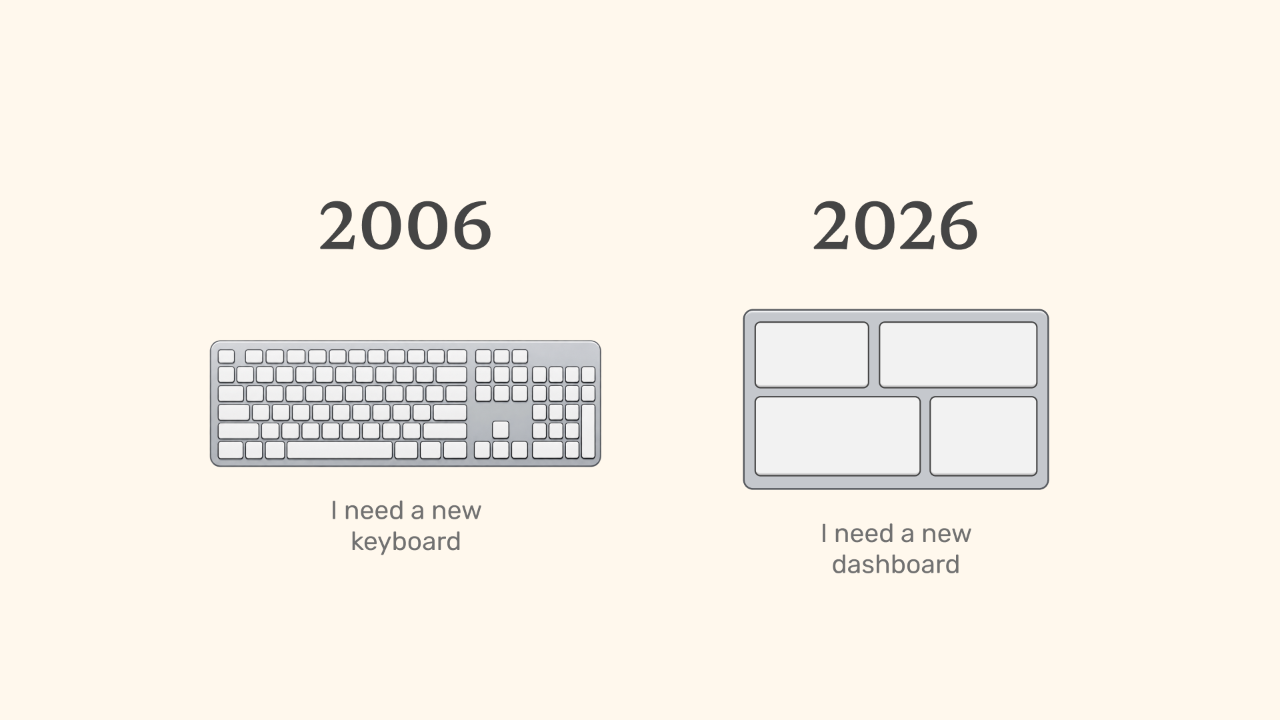
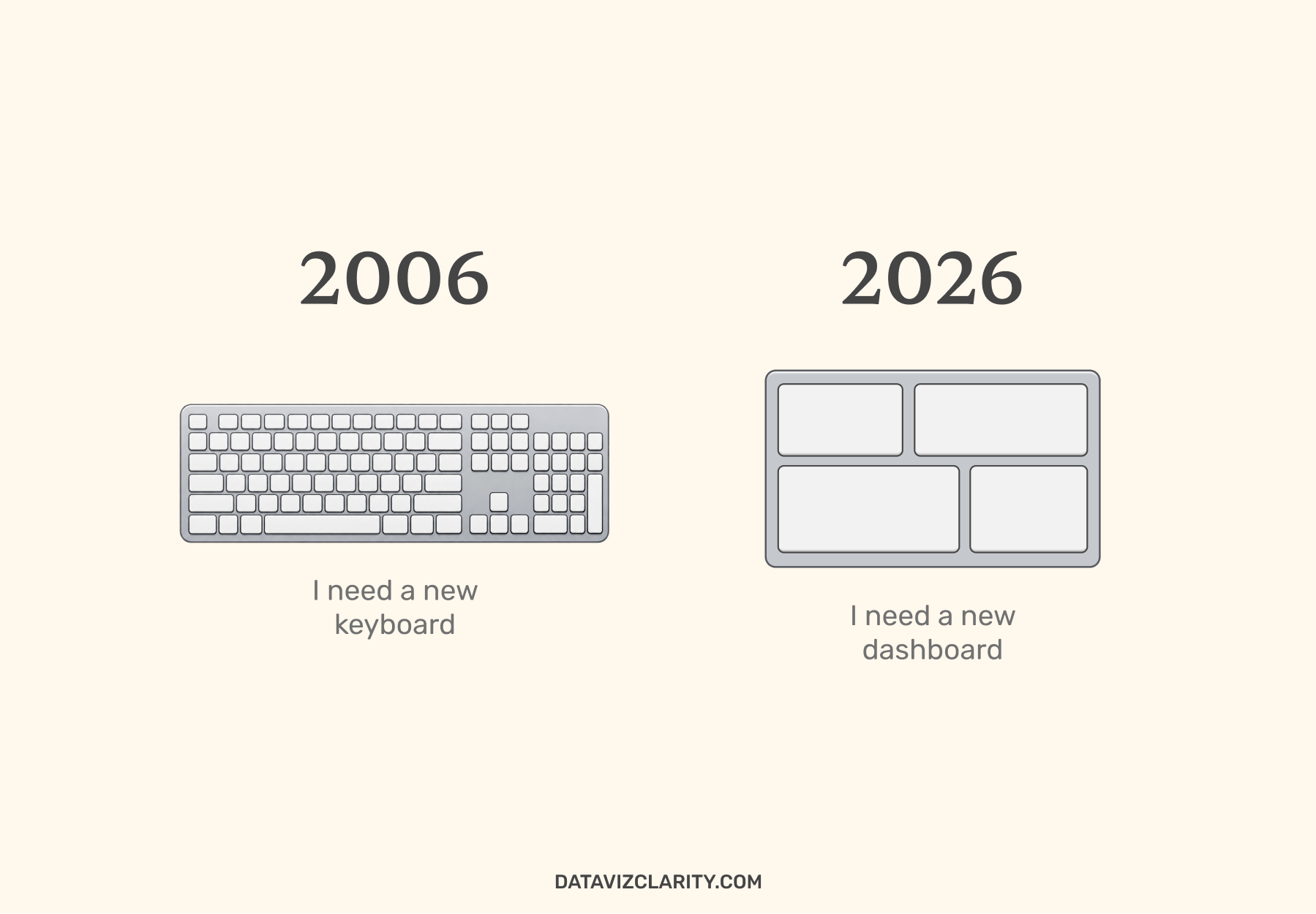
Twenty-five years ago, when your keyboard stopped working, you went to IT.
Your keyboard was broken. You needed a new one. The IT technician handled it.
One problem. One request. One solution.
And back then, at least the IT technician was usually the one deciding on the right solution.
Today, I still see too many data teams operating with the same mindset.
Except something has changed.
The business doesn't just bring a problem anymore. It often brings the solution too.
"I need a dashboard."
"Can you add these five KPIs?"
"I need a report with these filters."
And the Data Analyst is expected to deliver.
No real discussion about the underlying problem. No questioning whether the requested solution is appropriate. Sometimes, not even a conversation about who will actually use it.
Just a request and an expected delivery.
I think this execution mindset is one of the biggest things holding analytics teams back.
We need to change the relationship.
What I encourage my clients to build is a real partnership between data teams and the business.
Regular conversations. Shared rituals. Proximity. Trust.
A relationship where Data Analysts feel comfortable challenging requests, asking questions, and proposing alternatives.
Because business users are experts in their problems, their processes, and their daily challenges.
But they shouldn't have to be experts in analytics solutions.
That's our responsibility.
And we can't fulfill it if our only interaction with the business is receiving a request and delivering what was asked.
Sometimes, the best initiative is the simplest one.
This week, a Data Analyst working for one of France's largest retailers made a decision that genuinely impressed me.
Following our recent conversations, she decided, entirely on her own, to spend one or two days a week working directly from the offices of the business teams she supports.
Nobody asked her to.
She simply understood that being closer to her users would help her understand their reality.
I found this initiative incredibly mature.
And I believe she's doing something valuable for herself, her users, her team, and her manager.
She'll hear conversations that would never become formal requests.
She'll observe frustrations that users might never think to mention.
She'll discover problems before someone comes asking for a dashboard.
And she'll build relationships that make it easier to challenge requests without creating tension.
Sometimes, improving the way we design analytics products starts with changing where we sit.
This is what a product mindset looks like.
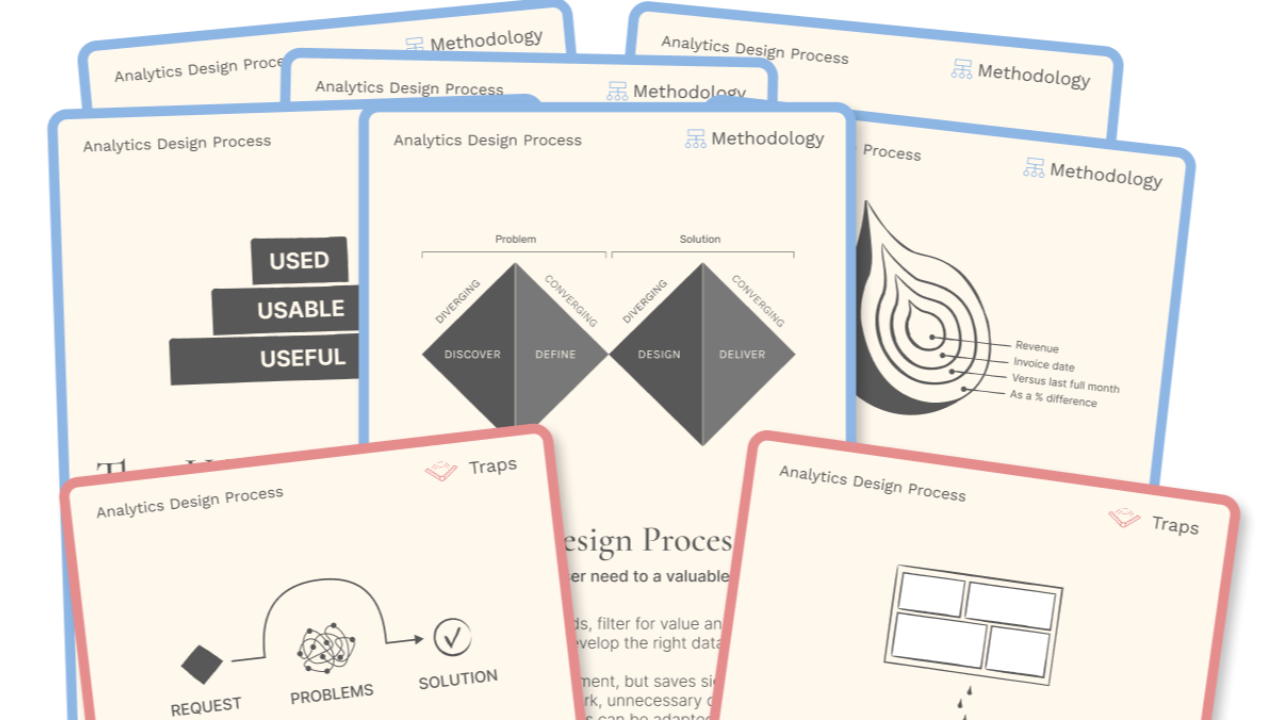
This Data Analyst previously attended my Analytics Design Process training, where we explore the entire journey from the initial business request to the delivery of an analytics product.
Discovery, interviews, problem framing, design, validation, and delivery.
She's always demonstrated a strong user-centered and product-oriented mindset.
But what impressed me this week was seeing her take that mindset beyond the methodology and into her daily work.
Because learning a process is one thing.
Changing the way you collaborate with people is another.
And I think this is exactly where the role of Data Analysts needs to evolve.
The skills that will make the difference
As AI makes certain technical tasks faster and easier, I believe the ability to understand business problems will become even more valuable.
- Listening.
- Communicating.
- Challenging assumptions.
- Taking initiative.
- Building relationships.
Identifying root causes rather than simply responding to symptoms.
These are the skills that will increasingly separate good Data Analysts from excellent ones.
And yet, how much time do we spend developing them?
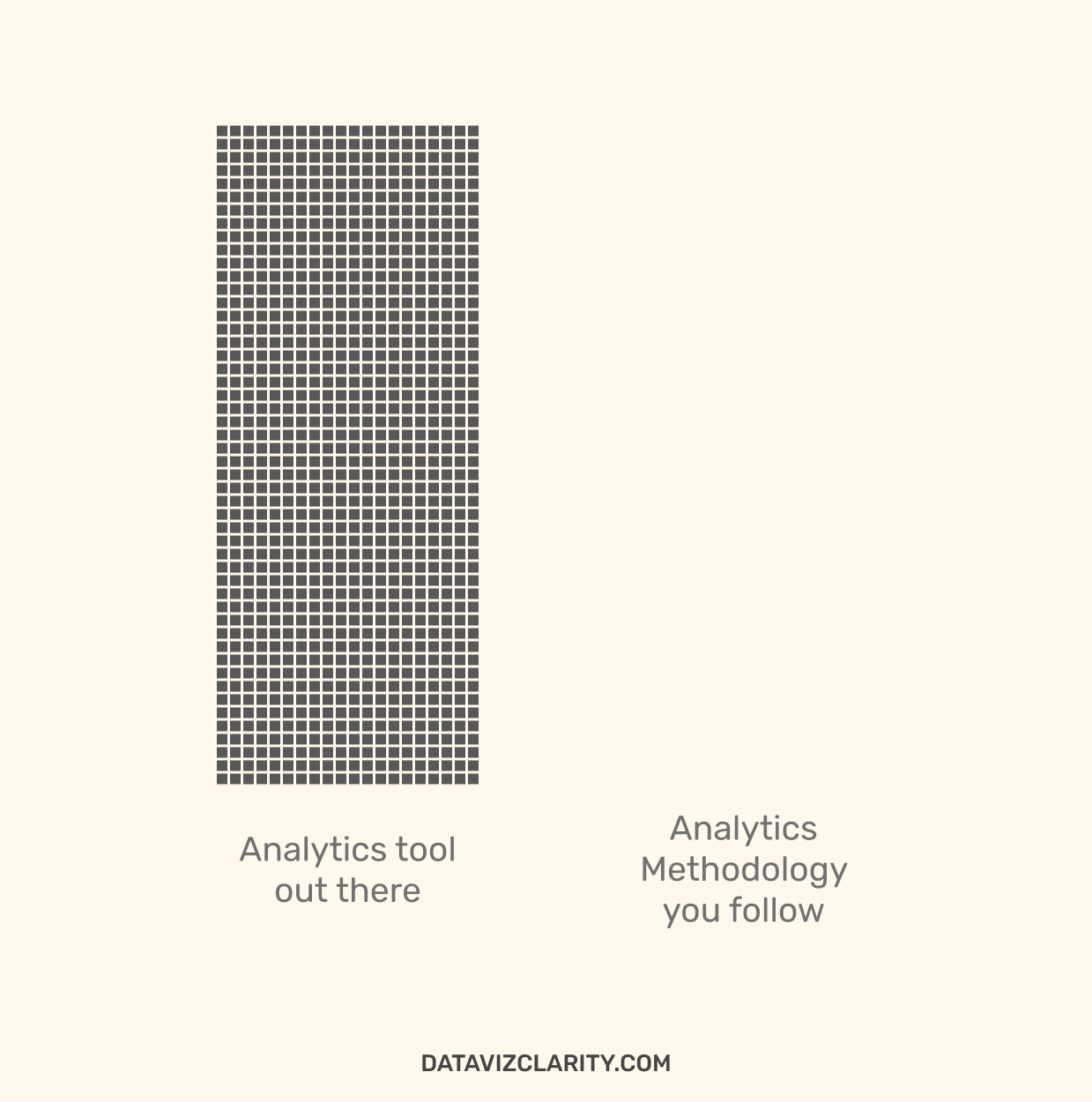
We spend years learning SQL, Python, Tableau, Power BI, and dozens of other tools.
We collect certifications, learn new platforms, and keep updating our technical skills.
But how much time do we spend learning how to conduct a proper interview, facilitate a workshop, challenge a business request, or identify the right problem to solve?
I often repeat this during my workshops:
"Knowing how to speak SQL is good. Knowing how to speak to the humans who need our help is better."
The business doesn't need another team that simply executes requests.
It needs partners who can help turn problems into valuable solutions.
And I believe that's where the future of Data Analysts lies.